The Second Bounce of the Ball, Part 3: When Governments Can't Tax Productivity Anymore
The coming crisis of governance. How AI severs the connection between productivity and government revenue. When a $100k employee becomes $10k of compute, the tax base evaporates - then what?
This is Part 3 in a series exploring second-order effects of AI that markets aren’t pricing in. Read Part 1 here on the core thesis. Read Part 2 here on capital vs labour.
Can I get a rewind? The core thesis, briefly
When productive activity shifts from humans to machines, value relocates to new places. Over this series, I’m exploring five cascading effects: (1) labor’s bargaining power collapses, (2) government revenue models break, (3) geography matters again around energy, (4) organisations restructure fundamentally, and (5) infrastructure becomes the chokepoint.
This post tackles the second: what happens when governments can’t tax the productivity they’re supposed to govern.
When Governments Can’t Tax Productivity Anymore

When a company replaces a $100,000 employee with $10,000 of compute and electricity, the tax base evaporates while government obligations remain. Jurisdictions that adapt early through new taxation models will attract infrastructure investment.
Those that don’t face a choice between raising taxes on remaining workers or accepting they can’t fund existing services. Either way, political instability follows.
Even corporation taxes become more challenging when you layer on not just multinational corporations, but also the likely increase in economic activity of non-company economic participants - fully autonomous software that lives internationally is not a taxable entity.
In this scenario how do governments gather resources to participate in the defence and wellbeing of their citizens?
History rhymes

Tax base transformations have repeatedly caught governments unprepared:
The Great Depression (1929-1939): Governments built revenue models around industrial employment and property taxes. When both collapsed, tax receipts fell 50%+ while relief obligations exploded. It took a decade of fiscal innovation — social security taxes, expanded corporate levies, new regulatory frameworks — to rebuild viable revenue models. Many governments didn’t survive the transition.
Post-Soviet collapse (1991-1998): Russia’s formal economy shrank by half. Huge informal economy emerged that government couldn’t tax—barter systems, offshore capital flight, shadow transactions. Tax collection fell to 10-12% of GDP while the state tried to maintain Soviet-era obligations. Result: hyperinflation, fiscal crisis, oligarch wealth concentration. Took years to rebuild basic tax infrastructure.
Oil state dependency: Venezuela built 95% of export revenue and 50% of fiscal budget on oil. When prices collapsed in 2014, couldn’t pivot to taxing other economic activity fast enough. Informal economy exploded as formal economy shrank. Same pattern in Nigeria, Angola. Norway avoided this through sovereign wealth fund and diversified taxation—but it took decades of deliberate policy.
Interwar debt crisis (1920s-1930s): European governments emerged from WWI with massive debts built on pre-war revenue assumptions. Economic structure had changed—urbanization accelerated, new industries emerged, old wealth structures disrupted. Old taxation methods couldn’t capture new forms of wealth. Led to hyperinflation in Germany, austerity crises across Europe, political instability.
The pattern: when the thing you tax (land, employment, commodities) stops being where productivity happens, you face crisis. The transition takes years or decades. Many governments don’t make it.
Modern governments tax wages.
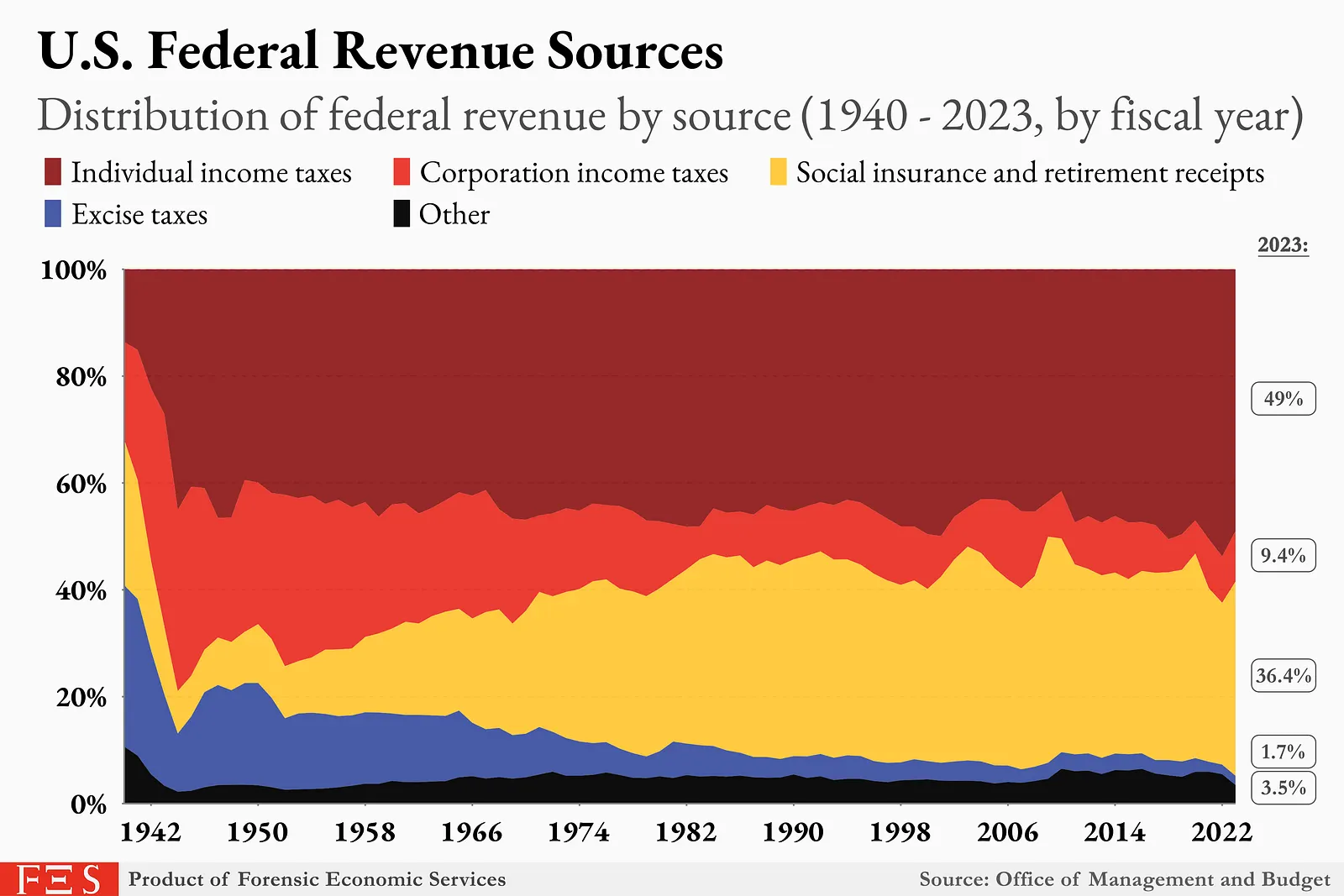
When a company replaces a $100,000 employee with $10,000 of compute and electricity, the tax base evaporates while government obligations remain.
Right now most modern economies are primarily setup to primarily tax productivity in people, and in companies
Modern governments run on taxing employment relationships. Income tax, payroll tax, national insurance, corporation tax—the entire fiscal architecture assumes productive activity happens through people drawing salaries from companies. When GDP flows through wages, governments intercept 20-40% before anyone notices.
Even corporation taxes become more challenging when you layer on not just multinational corporations, but also the likely increase in economic activity of non-company economic participants - fully autonomous software that lives internationally is not a taxable entity.
In this scenario how do governments gather resources to participate in the defence and wellbeing of their citizens?
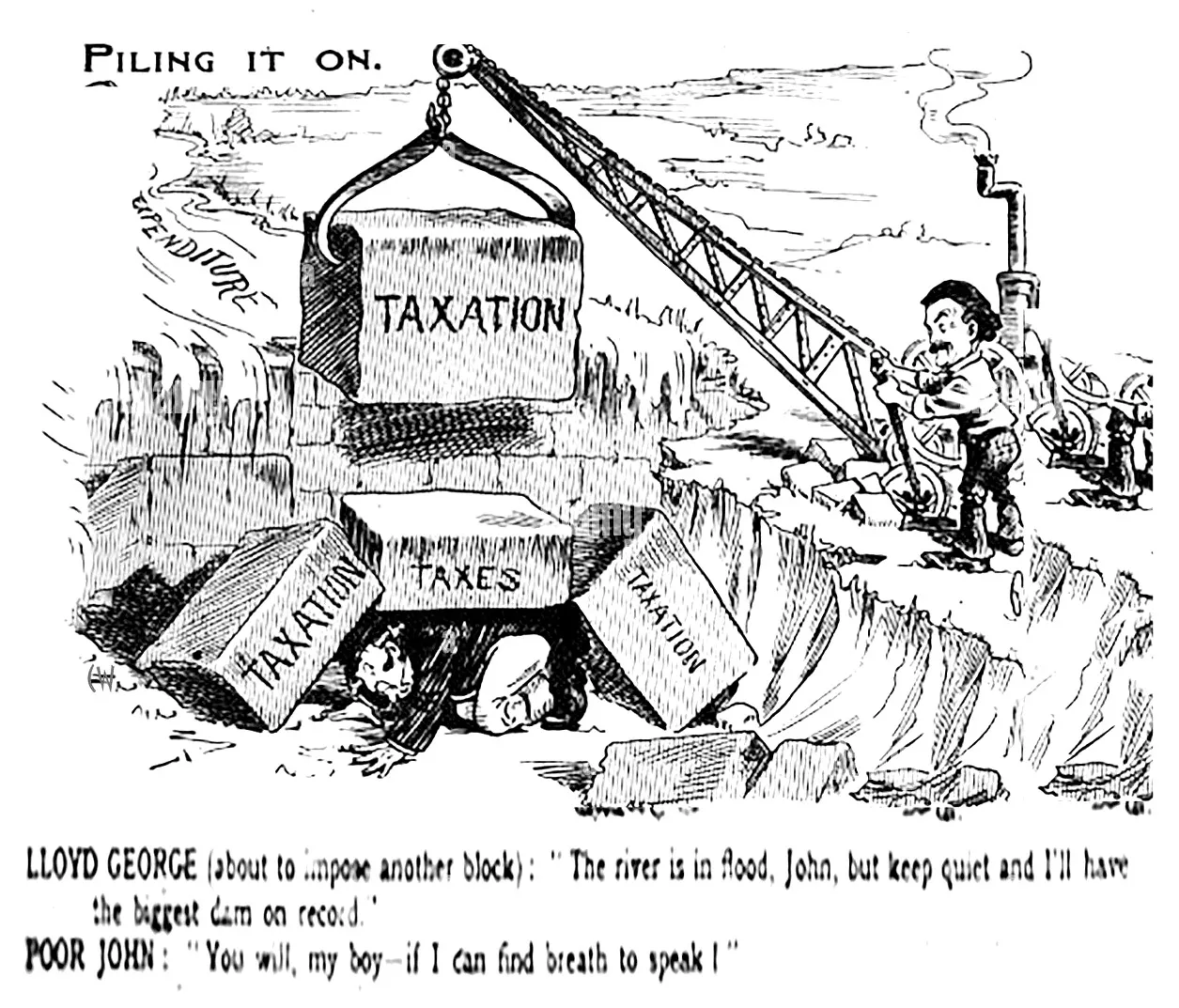
But we have another problem which will impact the abilities of governments to manage this transition. Modern governments run on a simple equation: tax wages, tax companies, fund services.
Income tax, payroll tax, national insurance, corporation tax, VAT - the entire fiscal architecture assumes productive activity happens through employment relationships between people and companies that can be taxed at the source.
The autonomous entity problem
Here’s where it gets harder. Corporation tax assumes you can identify a company, locate its profits, and tax them.
That model already struggles with multinationals using transfer pricing and tax havens. It breaks completely when the productive entity is autonomous software with no clear domicile.

Imagine an autonomous trading system that operates across multiple jurisdictions, generates profits, and reinvests them — but has no employees, no headquarters, no company and no board of directors.
Where is it “located”? Which government has jurisdiction? How do you tax an entity that exists only as code running on distributed servers?
This sounds theoretical until you realise DeFi protocols already handle billions in value with no legal entity behind them.
Autonomous systems managing supply chains, trading energy, optimising logistics—these will operate internationally with no clear tax domicile. Governments will struggle to even identify them, much less tax them.
The problem compounds when these entities interact primarily with other autonomous entities. A traditional company employs humans (taxable), buys from suppliers (VAT), pays dividends (capital gains tax).
An autonomous system might interact entirely with other code, moving value through channels governments can’t easily monitor or tax.
Geographic arbitrage accelerates

Compute is mobile in ways workers never were. You can’t relocate your engineering team to Bermuda without friction. You can absolutely move inference clusters to wherever electricity is cheap and taxes minimal.
Corporate domicile decisions will be driven by the power-to-tax ratio. Singapore, Ireland, and Switzerland attracted financial and pharmaceutical companies through favourable tax treatment. The next generation competes for compute clusters.
This creates a race among jurisdictions. Some will figure out sustainable taxation models — VAT on AI inference, compute-based corporate taxes, data extraction levies. These early movers dance a tightrope between appeasing their humans, and ensuring investment and innovation stay in their region.
The jurisdictions that adapt slowly face a grim choice: raise taxes on remaining human workers (accelerating a human exodus), or accept that they can’t fund existing services, as an over-class develops of beneficiaries of the machine labour. Neither option is politically stable.
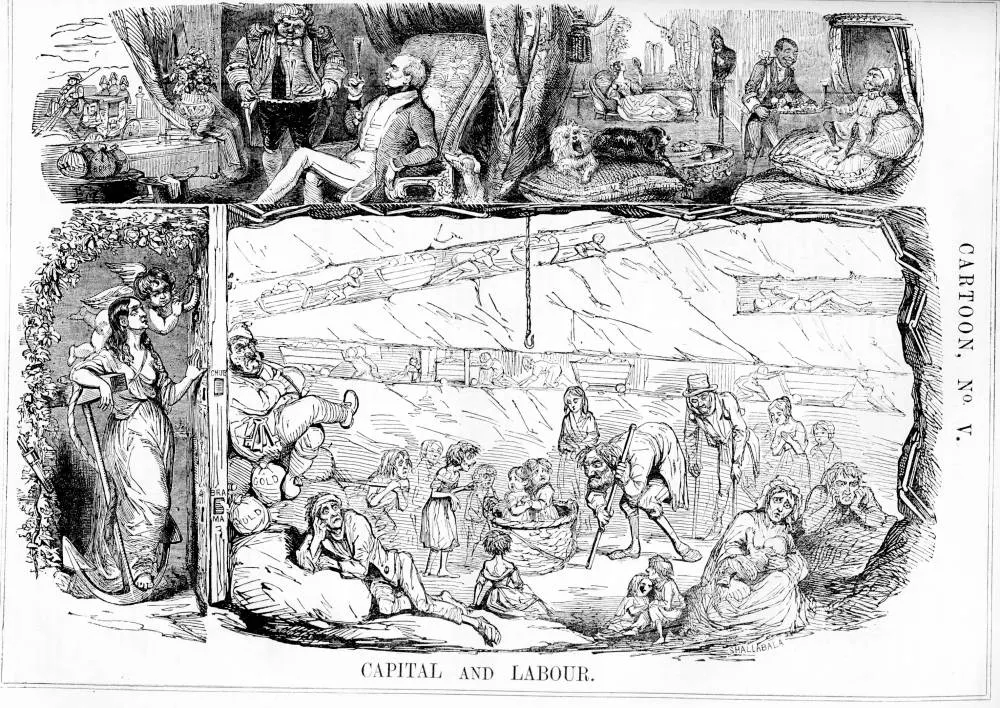
The social contract unravels
Employment isn’t just about economic production. It is also the organising principle for distributing wealth and structuring society. Retirement benefits, social status, purpose, daily routine are all tied to having a “job.”
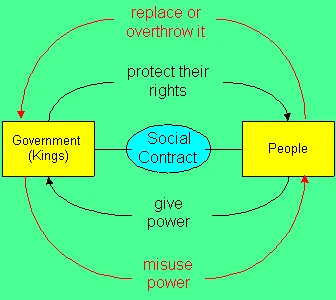
When employment stops being how most people participate in the economy, the social contract comes undone. Labour loses bargaining power when labour stops being the essential input. UBI shifts from progressive policy proposal to practical infrastructure requirement, like sewers or roads.
Some jurisdictions will handle this transition smoothly through early experimentation. Others will face political instability as citizens realise the old bargain no longer works. The difference between these outcomes determines which places remain governable and attractive for investment.
Positioning for the second bounce: fiscal challenges
▶ Watch the video in the original post on Substack
Regulatory arbitrage:
Companies relocating compute to tax-favourable jurisdictions gain 20-30% structural cost advantages over competitors stuck in high-tax regions.
Watch for datacenter REITs and cloud providers expanding in UAE, Singapore, Estonia, Ireland … and space.
The companies that move early, before the race becomes obvious, capture the biggest advantage. Global and regional players positioning in compute-friendly tax regimes are the obvious plays.
Less obvious: companies providing the legal/compliance infrastructure to make relocation seamless.
The policy bet:
Jurisdictions that solve the taxation problem first gain durable advantages. They attract infrastructure buildout, creating network effects that make them even more attractive.
Estonia created e-Residency and digital nomad visas. Singapore offers tax incentives for AI research. UAE has no corporate tax and cheap energy.
Early movers in crafting compute-friendly tax regimes win decades of investment. Estonia, Singapore, UAE - micro states typically react fast, and of the developed countries, watch which ones adapt fastest.
The political opportunity:
California gets 50% of revenue from top 1% of earners. New York similar. Many European capitals even more concentrated. As high-earning knowledge workers get automated, these budgets break. Municipal bonds in income-tax-dependent regions carry unpriced risk.
Commercial real estate in these cities faces double pressure: fewer workers need office space AND the remaining tax base can’t support infrastructure.
This is a short on expensive urban real estate in jurisdictions slow to adapt their revenue models.
Fiscal crisis leads to political instability. Jurisdictions that can’t adapt their tax models face pressure to extract revenue through aggressive means—wealth taxes, exit taxes, capital controls.
If you have concentrated exposure to assets in high-income-tax-dependent regions, hedge through geographic diversification or instruments that benefit from volatility in those jurisdictions. The instability itself becomes tradeable once you identify which regions face the worst fiscal exposure.
The contrarian bet: governance infrastructure
Someone will build the tools that let governments actually tax autonomous systems and compute-based productivity. Compliance software, tracking systems, new regulatory frameworks. Most investors chase AI capabilities. Almost no one is building the governance layer that makes AI taxation possible.
The companies solving “how do you tax an autonomous entity with no domicile” or “how do you track compute-based value creation” become essential infrastructure for every government. This is picks-and-shovels for a problem governments will pay billions to solve.
What about social infrastructure for post-employment economies. Most investors focus on AI capabilities. Fewer think about what replaces employment as an organising principle.

Companies and jurisdictions that solve this problem capture value the consensus hasn’t priced. New social safety net mechanisms, alternative credential systems, entirely new models for economic participation.
Next: Energy geography
The tax crisis creates pressure for jurisdictions to attract compute infrastructure.
But where can that infrastructure actually go?
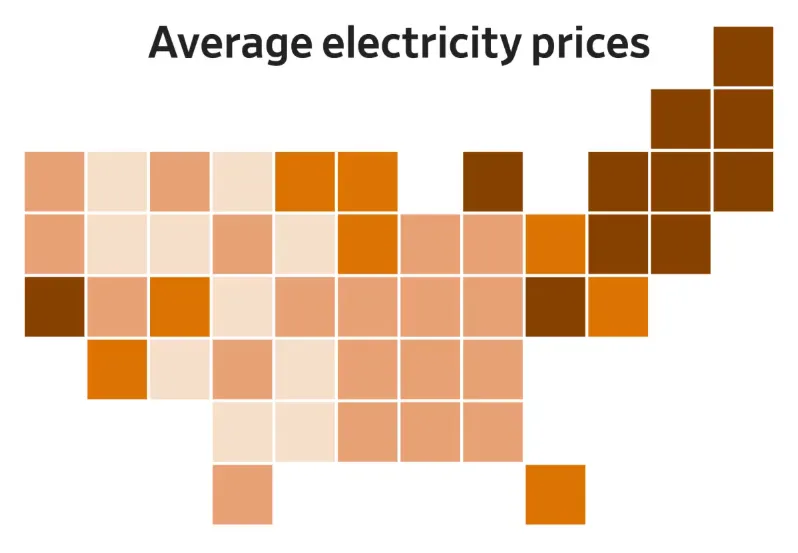
In the next post, we’ll explore where next economic power as electricity increase — and why geography suddenly matters again in ways it hasn’t for decades.
Read Part 4: Energy, the final frontier
